
Not-Yet Member. $12.
Member. $6.
Insider. Free.
Online ticket sales close at 5pm EST on the day of the event. Tickets will be available at the door prior to the event start time.
Atlanta History Center is thrilled to welcome historian Jeffrey Ogbar for a fascinating discussion of Atlanta’s influential Black history. This event will focus on the pivotal period that set Atlanta up to become the heartbeat of the Civil Rights Movement: post-Reconstruction until the 1940s.
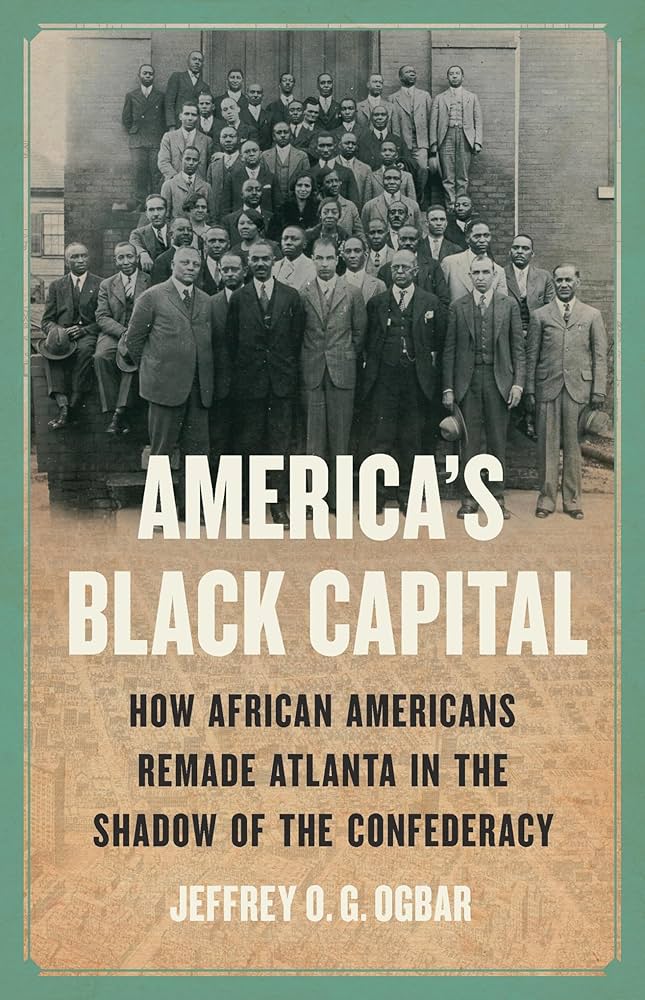
The remarkable story of how African Americans transformed Atlanta, the former heart of the Confederacy, into today’s Black mecca.
Atlanta is home to some of America’s most prominent Black politicians, artists, businesses, and HBCUs. Yet, in 1861, Atlanta was a final contender to be the capital of the Confederacy. Sixty years later, long after the Civil War, it was the Ku Klux Klan’s sacred “Imperial City.”
America’s Black Capital chronicles how a center of Black excellence emerged amid virulent expressions of white nationalism, as African Americans pushed back against Confederate ideology to create an extraordinary locus of achievement. What drove them, historian Jeffrey O. G. Ogbar shows, was the belief that Black uplift would be best advanced by forging Black institutions. America’s Black Capital is an inspiring story of Black achievement against all odds, with effects that reached far beyond Georgia, shaping the nation’s popular culture, public policy, and politics.
Language provided by publisher.
The Aiken Lecture Series is supported by the Lucy Rucker Aiken Foundation.
About the Author
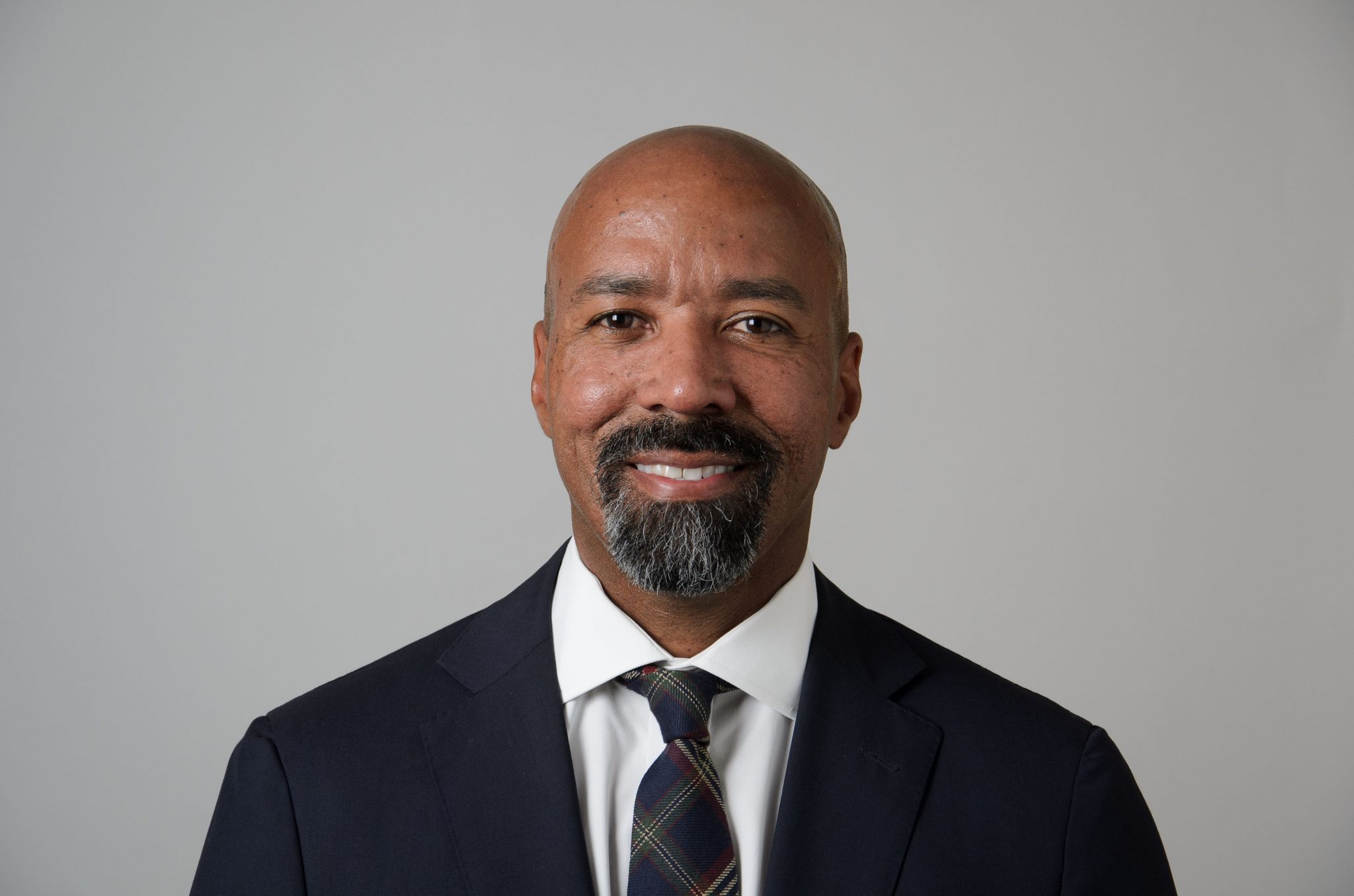
Jeffrey O. G. Ogbar is professor of history and founding director of the Center for the Study of Popular Music at the University of Connecticut. He earned his PhD in US history from Indiana University Bloomington and his BA in history from Morehouse College in Atlanta. He lives in Hartford, Connecticut.
About the Moderator
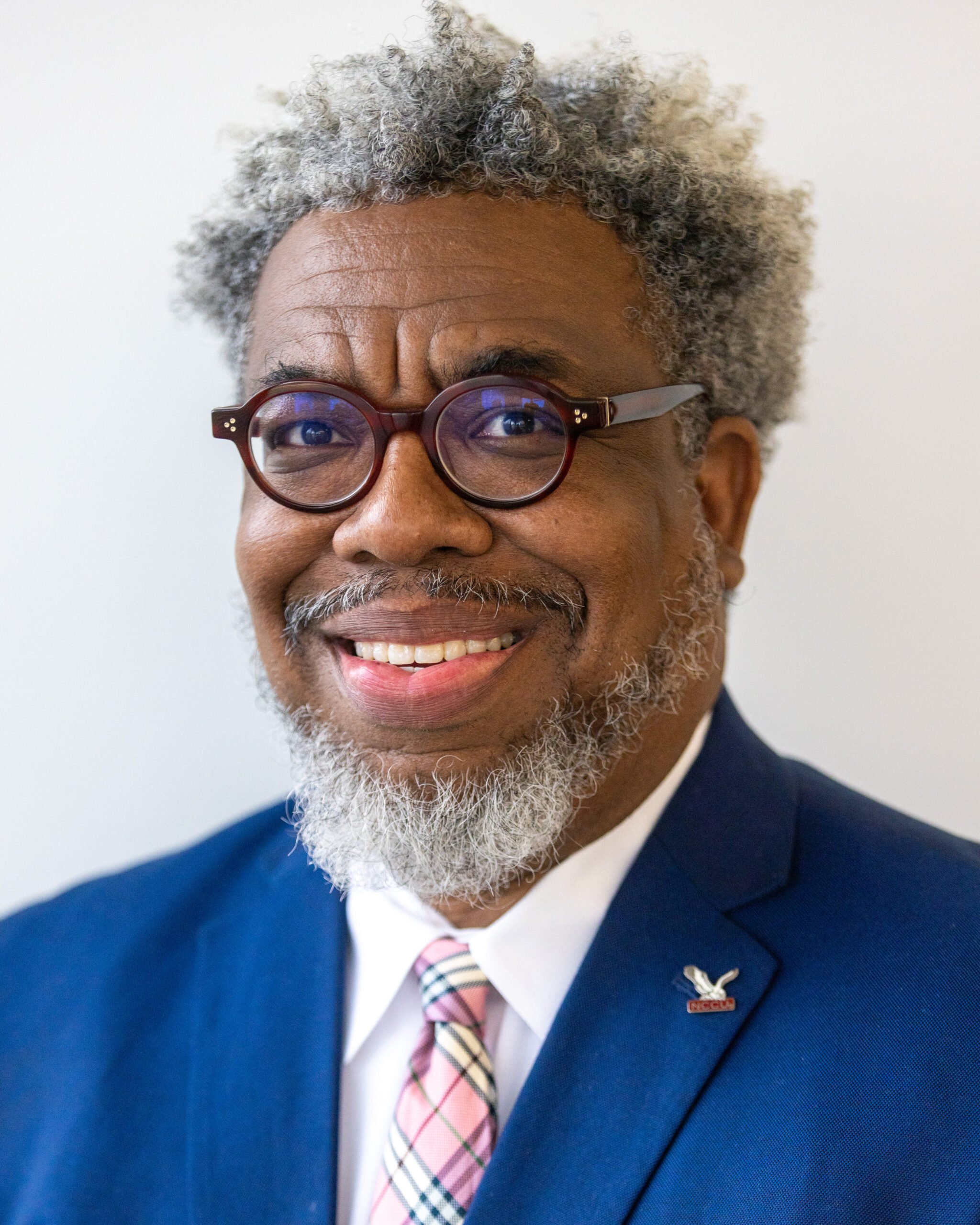
Journalist Ernie Suggs earned his B.A. degree in English Literature from North Carolina Central University in 1990, where he was the editor in chief and sports editor of The Campus Echo. Upon graduation, he was awarded an internship by the National Association of Black Journalists (NABJ) to work for Gannett Newspapers. He returned to Durham, North Carolina in 1992, as a writer for The Herald-Sun. In 1996, Suggs was awarded a fellowship by the Education Writers Association, which culminated in his award-winning, Pulitzer nominated series Fighting to Survive: Historically Black Colleges and Universities Face the 21st Century. He was hired as a reporter at the Atlanta Journal-Constitution in 1997. In 2005, Suggs became the vice-president of the NABJ. He was chosen for the prestigious Nieman Fellowship at Harvard University in 2008, and in 2009, he joined the Nieman Foundation’s board. Suggs was given the Pioneer Black Journalist Award by NABJ in 2013. In 2021, an endowed scholarship was created in his name at NCCU’s English Department to fund journalism scholarships. And in 2022, he published his first book, “The Many Lives of Andrew Young,” which chronicles the life of the former Atlanta mayor, civil rights icon and United Nations Ambassador. And in 2023, he wrote and produced the Emmy-nominated, “The South Got Something to Say,” the AJC’s look at Southern hip-hop.